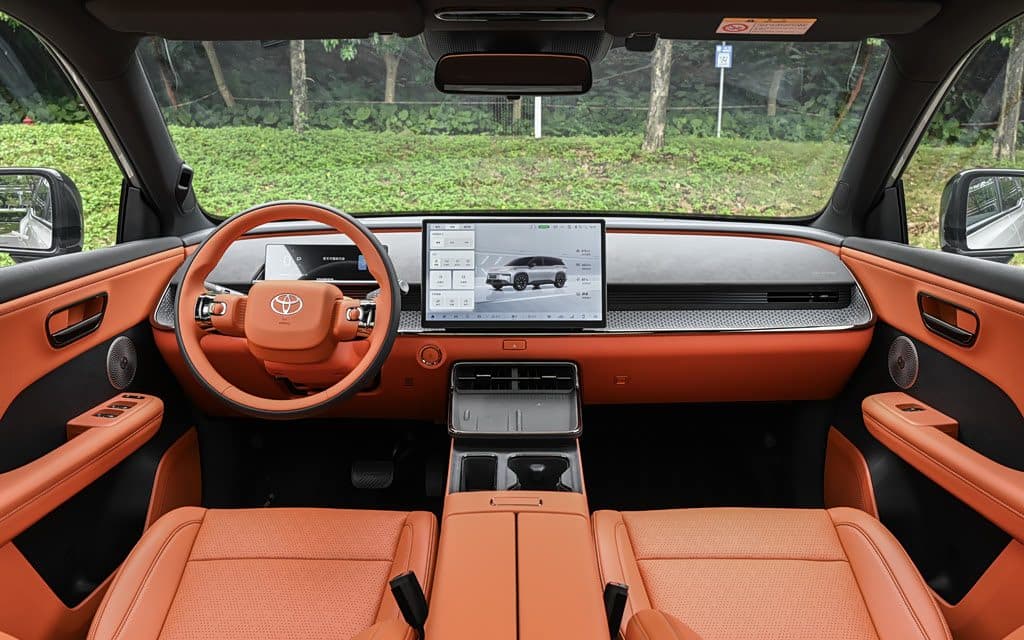
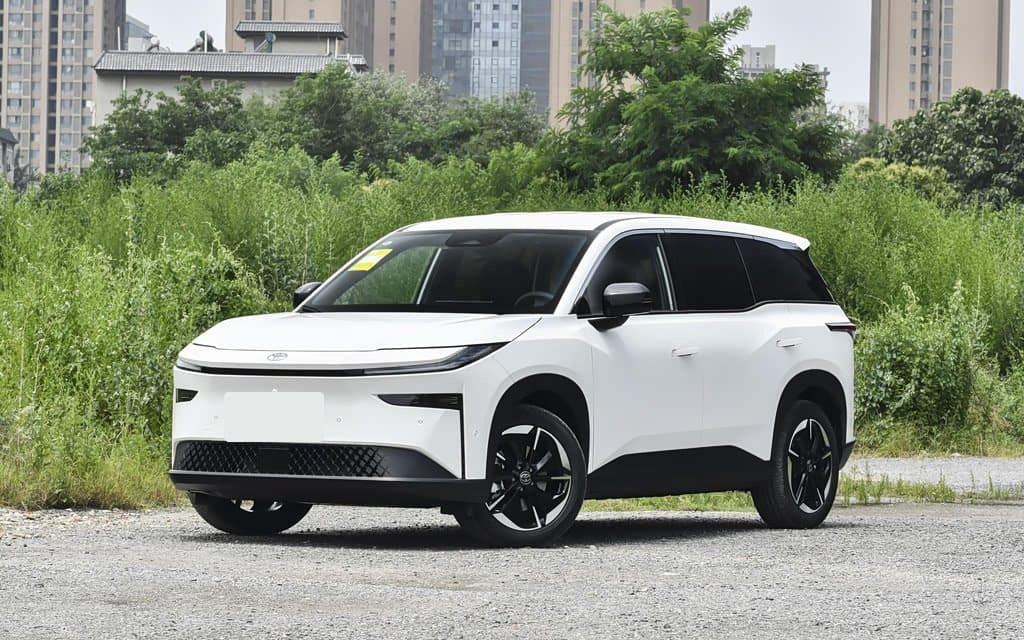
How to Convert Toyota bZ3X GB/T Fast Charging Port to CCS2 / Type 2 for Export
The Toyota bZ3X uses China's GB/T charging standard. AC charging on Type 2 is simple; DC fast charging on CCS2 needs active protocol conversion. Here are the options and the risks.
By EVtoU

Short answer: a Toyota bZ3X built for China charges through two GB/T inlets, one AC and one DC. AC charging on a Type 2 station works with a passive adapter, because both systems use a similar pilot-signal method. DC fast charging on a CCS2 station is harder: GB/T talks to the charger over CAN bus, while CCS2 uses power-line communication (PLC), so you need an active adapter that translates the protocol, or a full inlet retrofit. Neither route is a factory solution, so plan it before you order.
This guide is for dealers and fleet buyers importing the car into Type 2 / CCS2 markets such as Europe, parts of the Middle East and much of Africa. For the car itself, see the Toyota bZ3X range overview.
What charging hardware does the Toyota bZ3X have?
The bZ3X has separate GB/T AC and GB/T DC charge ports on the front right of the car. Manufacturer data gives a DC fast charge from 30% to 80% in about 24 minutes. Every trim, from the 2026 430 Air+ to the 2025 610 Max, uses the same Chinese standard, so the conversion question applies to the whole range.
Batteries are liquid-cooled LFP packs of 50.03, 58.37 or 67.92 kWh. A larger pack does not change the connector, but it does change how long a session takes, which matters if a DC adapter limits current.
How do GB/T, Type 2 and CCS2 differ?
The physical plugs differ, and on DC the communication language differs too. That second point is what decides the cost and risk of conversion.
| Item | China GB/T (bZ3X) | Type 2 / CCS2 |
|---|---|---|
| AC inlet | GB/T AC connector | Type 2 (IEC 62196-2) |
| DC inlet | Separate GB/T DC connector | CCS2 (Combo 2): Type 2 upper section plus two DC pins (IEC 62196-3) |
| AC control signal | Pilot and connection-check signals | Pilot signal (IEC 61851 family) |
| DC charger-to-car communication | CAN bus (GB/T 27930) | PLC over the pilot line (DIN 70121 / ISO 15118) |
| Low-voltage auxiliary supply on DC | Provided by the charger through the plug | Not provided by the charger |
| Number of inlets on the car | Two | One combined inlet |
Type 2 is the AC connector named in European rules. The EU Alternative Fuels Infrastructure Regulation sets the connector baseline for public charge points:
“...at least with socket outlets or vehicle connectors of Type 2 as described in standard EN 62196-2:2017”
The same AFIR annex names the combined charging system 'Combo 2' for DC. The dimensional rules for these couplers sit in IEC 62196-3, published by the International Electrotechnical Commission.
Why does DC fast charging need protocol conversion?
A DC charger and the car's battery management system must agree on voltage, current and safety limits every second of the session. GB/T does this over a CAN bus with dedicated pins; CCS2 does it with PLC signals carried on the pilot line. A plug-shape adapter alone cannot bridge that gap.
The adapter therefore needs its own controller that reads the CCS2 charger's PLC messages and rewrites them as GB/T CAN messages for the car, and back again. It must also supply the low-voltage auxiliary power that a GB/T car expects from the charger, because a CCS2 charger does not provide it. This is why DC adapters are larger, cost more and need firmware updates.
What are the conversion options?
There are three practical routes. Most importers use the first and accept limits on the second; the third is a workshop project.
1. AC adapter (Type 2 to GB/T AC)
A passive adapter lets the car charge from Type 2 wall boxes and public AC posts. It is the cheapest and lowest-risk option and covers home and depot charging. Check the adapter's current rating and that it passes the pilot and connection-check signals correctly.
2. Active DC adapter (CCS2 to GB/T DC)
An active adapter with a built-in protocol controller lets the car use public CCS2 fast chargers. Results vary by charger brand and firmware. Expect some stations to refuse the session, and expect the adapter's current limit to set the real charge speed rather than the car's 24-minute figure.
3. Inlet retrofit (replace GB/T with CCS2)
A workshop replaces the inlets with a CCS2 inlet and adds a communication controller wired to the car's systems. It removes the need for adapters but changes high-voltage parts of the car. That raises questions about type approval, insurance and future software updates.
| Option | What it enables | Main risk |
|---|---|---|
| AC adapter | Type 2 AC charging | Low; check current rating and fit |
| Active DC adapter | CCS2 fast charging at many stations | Compatibility gaps, current limits, firmware |
| Inlet retrofit | Native CCS2 plug on the car | Approval, insurance and software-update impact |
We do not claim that any adapter or retrofit kit is certified for your market. Ask the supplier for test reports and check them against local rules before you buy.
What should you check with local authorities and insurers?
Check three things before you commit to a route: registration rules, insurance terms and after-sales support. A modified high-voltage system can change how a vehicle is assessed.
- Registration and conformity: ask the road authority or conformity body whether a replaced charge inlet needs re-inspection or approval. Market notes are on our pages for the UAE, Saudi Arabia and Ghana.
- Insurance: tell the insurer about any adapter or retrofit in writing and confirm cover for charging-related damage.
- Charger operators: some networks publish compatibility notes or restrict third-party adapters.
- Software: the car's OTA updates are designed for the Chinese-market vehicle, so do not assume a retrofit will survive future updates.
- Customer documents: give end users a clear charging guide that states which stations and adapters you have tested.
Can EVtoU help with charging equipment for export?
Yes. We can discuss charging equipment as part of export customisation and quote it with the car. Tell us your target market, the station types your customers use and whether you need AC only or AC plus DC. We confirm specifications in writing, send real photos at each milestone, and include the agreed items on the proforma invoice. The full order flow is described in our export process guide, and fleet buyers can see fleet solutions.

2026 · Electric SUV · LHD
Toyota bZ3X 2026 520 Pro
- Range
- 520 km
- Battery
- 58.37 kWh
- Power
- 150 kW
Export price
Price on request
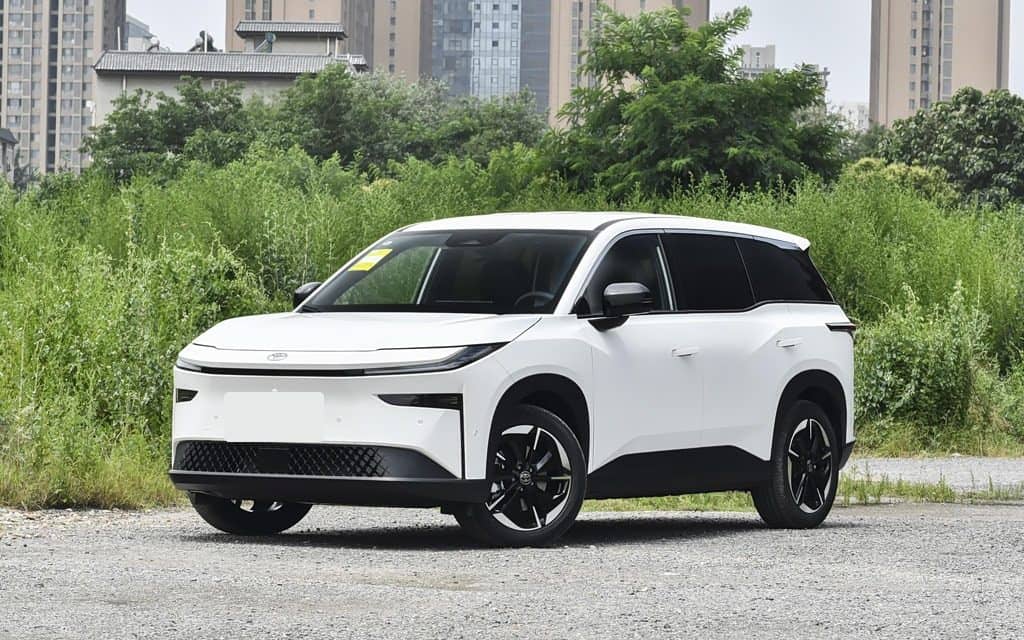
2026 · Electric SUV · LHD
Toyota bZ3X 2026 430 Air+
- Range
- 430 km
- Battery
- 50.03 kWh
- Power
- 150 kW
Export price
Price on request
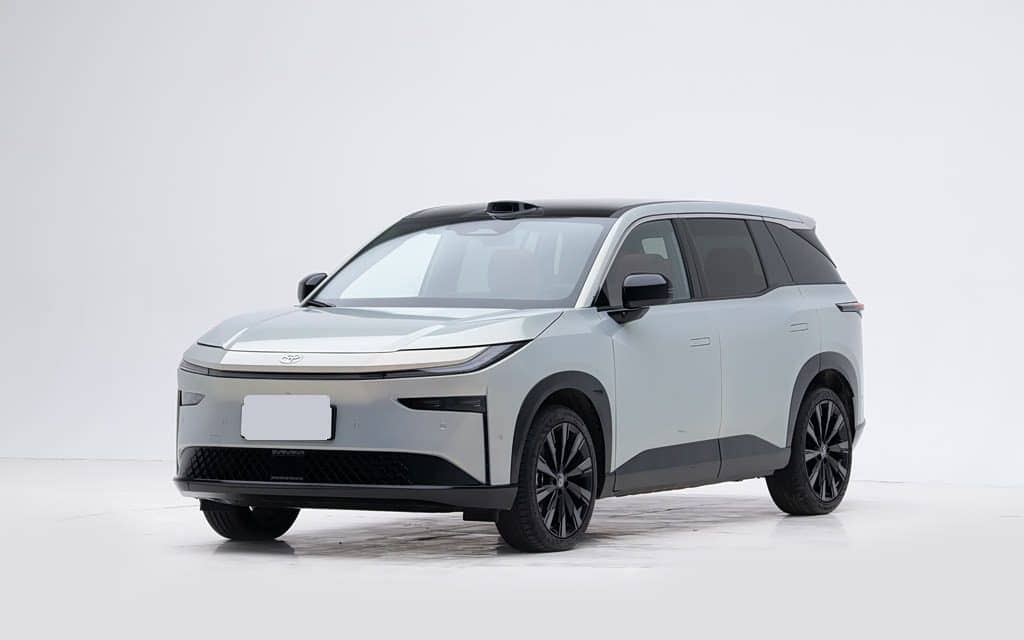
2025 · Electric SUV · LHD
Toyota bZ3X 2025 610 Max
- Range
- 610 km
- Battery
- 67.92 kWh
- Power
- 165 kW
Export price
Price on request